

Mosquitoes can also breed in small patches of stagnant water around your home. Remove unnecessary sources of water like flowerpot trays, buckets, drains, water vases, water-trapping designs on air-conditioner trays, etc regularly as part of mosquito control in Singapore.
The critical hazard is not necessarily a large body of water. Small pockets of stagnant water will also provide ideal breeding sites for mosquitoes. Regular inspections will uncover these hidden hazards.
1. Flowerpot Plates and Trays
Cockroaches in commercial spaces rarely appear out of nowhere. In most cases, they build up quietly in areas people don’t think to check every day — under equipment, behind storage shelves, inside drainage systems, or around damp service areas. Restaurant kitchens and office toilets are especially vulnerable because they provide exactly what cockroaches look for: warmth, moisture, shelter, and easy access to food residue. At iPest Management, we help businesses deal with these issues before they become larger operational problems. Our approach combines inspection, practical treatment, and long-term prevention designed around how each commercial space actually operates.
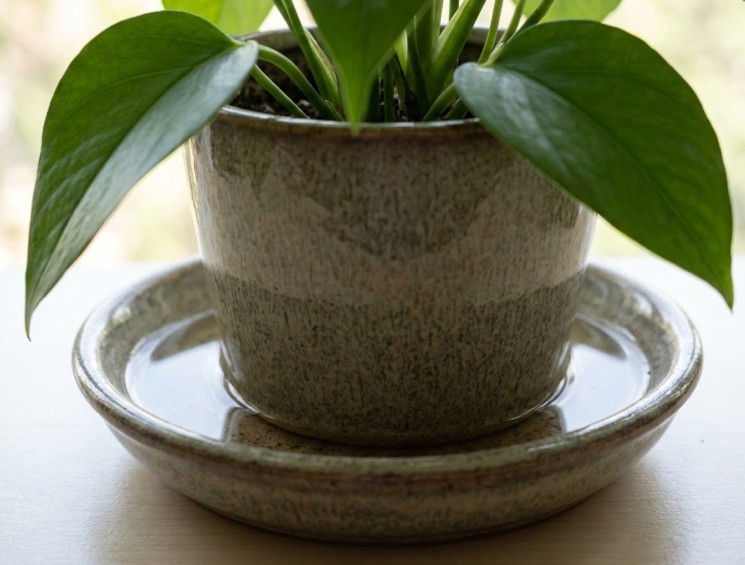
Flowerpot plates sitting underneath the plant can hold water after rain or watering. It is easy to forget them as they sit there under the plant. Make sure to empty them regularly and scrub the surface to remove anything that is left after the water is gone. Inspect the area surrounding the container as well. Water can collect between containers or on rough ground.
2. Pails, Buckets and Watering Cans
Empty pails, buckets and watering cans can also catch rain if they are left outside. Even a small amount of water can provide an ideal mosquito breeding site. Turn these items over when not in use. Put away under cover where possible. Check during your routine inspection after a rainfall.
3. Vases and Decorative Containers
Unchanged water provides breeding places for the vases, in indoor or outdoor settings. Change the water frequently and wash the vase out. When keeping plants in water, wash everything, including the plant material.4. Hardened Soil Around Plants
Soil can harden and become compact on the surface. Water may sit on the surface under such circumstances. Plant boxes and pots should be checked for water. Loosen dry, packed soil if needed, and also inspect between the leaves of moisture-loving plants.5. Roof Gutters
Gutters can have water collect in them if leaves and other debris are in the way of draining away. It can create stagnant water, which remains unnoticed on the surface. Check gutters and downpipes frequently, especially following a period of heavy rain. Clear out the leaves and other debris so rainwater can flow freely.6. Drains and Gully Traps
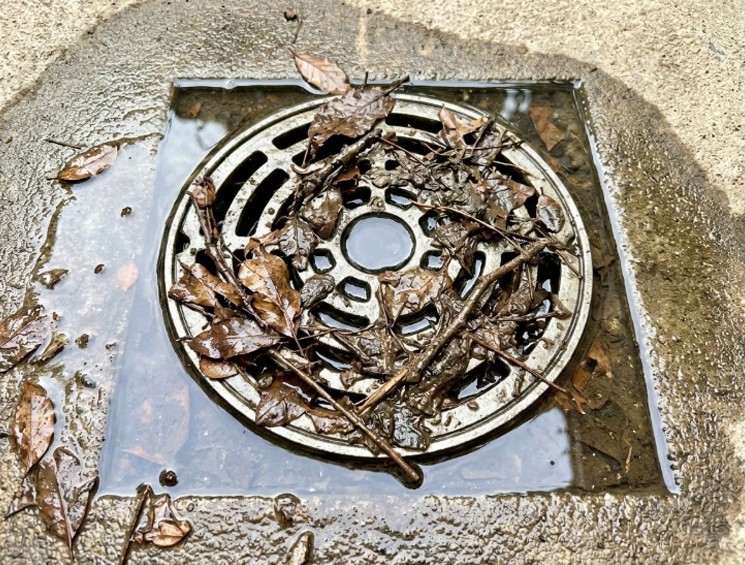
Drains can also become mosquito breeding sites if water cannot drain properly. Leaves, soil and other debris can cause blockages. Identify locations of standing water after a rainfall or washing. Remove blockages you can see and check gully traps as part of a regular property maintenance program.
7. Air-Conditioner Trays
Air-conditioner drainage locations can also become waterlogged if the outlets become blocked. These areas can be difficult to see when cleaning normally. Inspect the drains frequently. Ensure that water drains away properly rather than ponding around the unit.
8. Outdoor Bins and Discarded Containers
Water can be held in bins, covers and other abandoned containers. Old flower pots, cans, bottles and other objects are potential mosquito breeding sites if left outside. Discard anything you don’t want anymore. Store useful bottles and containers in a covered place, or somewhere they cannot be rained on.
9. Ground Depressions and Scupper Drains
After a storm, you’ll often see rainwater collecting in shallow dips around the property. Sometimes leaves or other debris clog the scupper drains, so water just sits there instead of draining away. When you walk around after the rain, check for these low spots and places where drainage isn’t great—they can be pretty hard to notice when everything’s dry.
10. Other Hidden Water-Holding Areas
Gardens and outdoor spaces can contain less obvious sources. Tree holes, containers, fountains, ponds and bamboo pole holders might require action. Don’t restrict your inspections to the containers on the ground. Scan the whole property, including areas where water can rest.
What Areas Should You Check?
Use this simple guide during a property inspection:
| Area | What to Look For | What to Do |
| Watering flowerpots | Water in trays | Wash trays, then water the flowerpot |
| Containers | Buckets or cans | Pour down the drain |
| Vases | Water not to be changed | Remove & cleanse each time when being used |
| Gutters | Leaves and collected water | Remove debris |
| Drains | Poor drainage | Remove blockages |
| Gully traps | Stagnant water | Inspect and clean |
| Air-conditioners | Water around drainage points | Check water flow |
| Outdoors | Unwanted containers | Empty or cover them |
How Often Should You Inspect Your Property?
Checking regularly is more effective than waiting for an invasion of mosquitoes. Include property inspections in your routine, especially following rainfall. This simple approach can support mosquito & cockroach control in Singapore by helping remove potential breeding sources early.
Useful mosquito prevention tips include:
- Empty water containers.
- Inspect the flowerpot trays.
- Clear blocked drains and gutters.
- Review outside regions on a rainy day.
- Remove unwanted water-retaining objects.
- Examine the drainage of the air conditioner.
- Clean vases and change their water.
When Should You Consider Professional Help?
How Often Should You Inspect Your Property
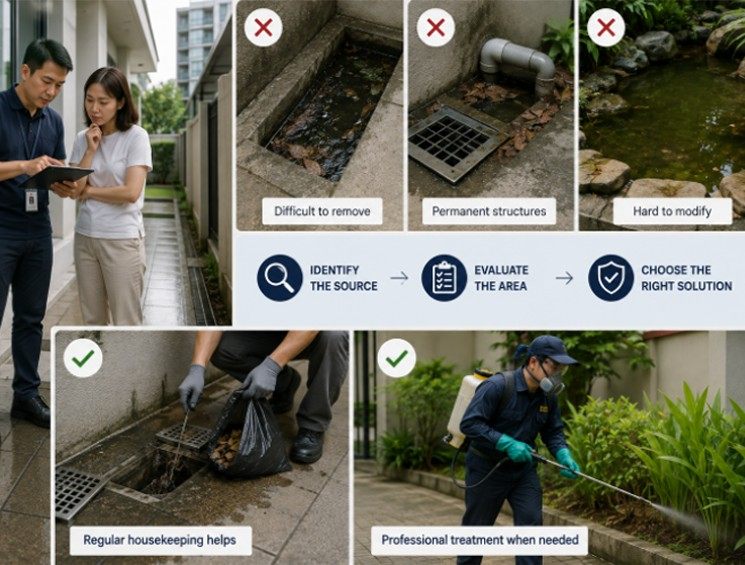
Certain water-retention sites may be difficult to relocate or modify. Any permanent drainage structures, etc., should be evaluated in more detail. Following practical mosquito prevention tips can help property owners identify these areas before they become recurring problems. If regular housekeeping fails to eliminate mosquito breeding sites, professional treatment may be appropriate. One must determine the source before choosing treatment.
How Can You Reduce Mosquito Breeding?
The easiest way to remove water is to eliminate it. Bags, pots, buckets and other containers should be emptied. Drains should be kept open, and all rainwater should be prevented from pooling on the outside surfaces of buildings. Mosquito prevention tips can be used in homes, gardens and any other private areas. Continual checks help to identify new breeding sites early. These routine measures are a practical part of mosquito control in Singapore.
Keep Your Property Free From Breeding Sources
The first step of any efficient pest control in Singapore is thorough check-ups around your property. Don’t just look for identified pools; be sure to check places such as small containers, drains, plants and concealed spaces
If possible, eliminate stagnant water rapidly to remove possible breeding sites. If any breeding site cannot be eliminated, then seek advice on having the site inspected so control options can be considered.