

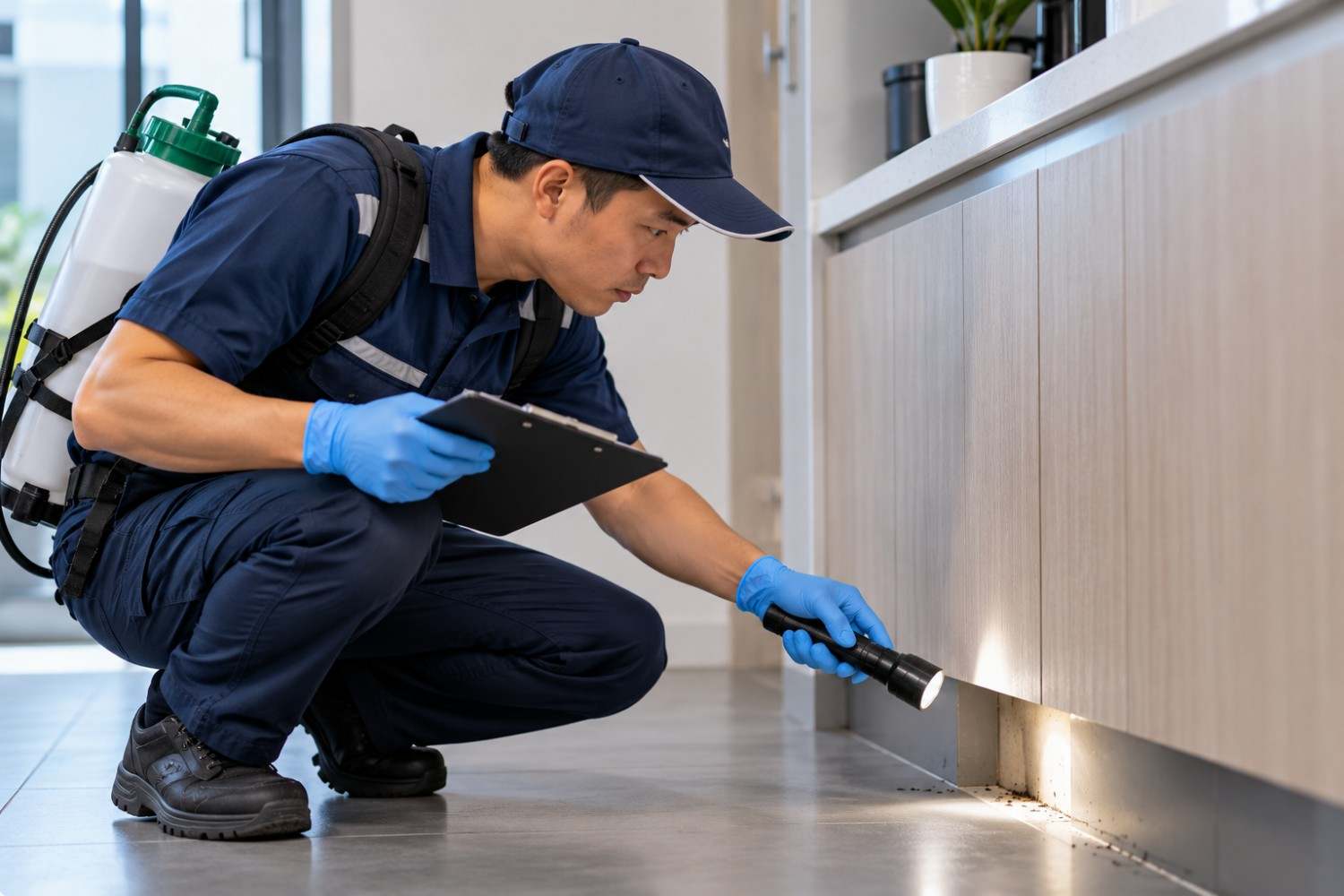
Finding cockroaches in the kitchen is one thing. Discovering termites in a door frame or rats in the storeroom is another. A professional pest control operator should identify what’s causing the problem, explain how to deal with it and tell you what the treatment will cost. You should know what you’re paying for before anyone starts spraying or setting traps.
What Does a Professional Pest Control Operator Do?
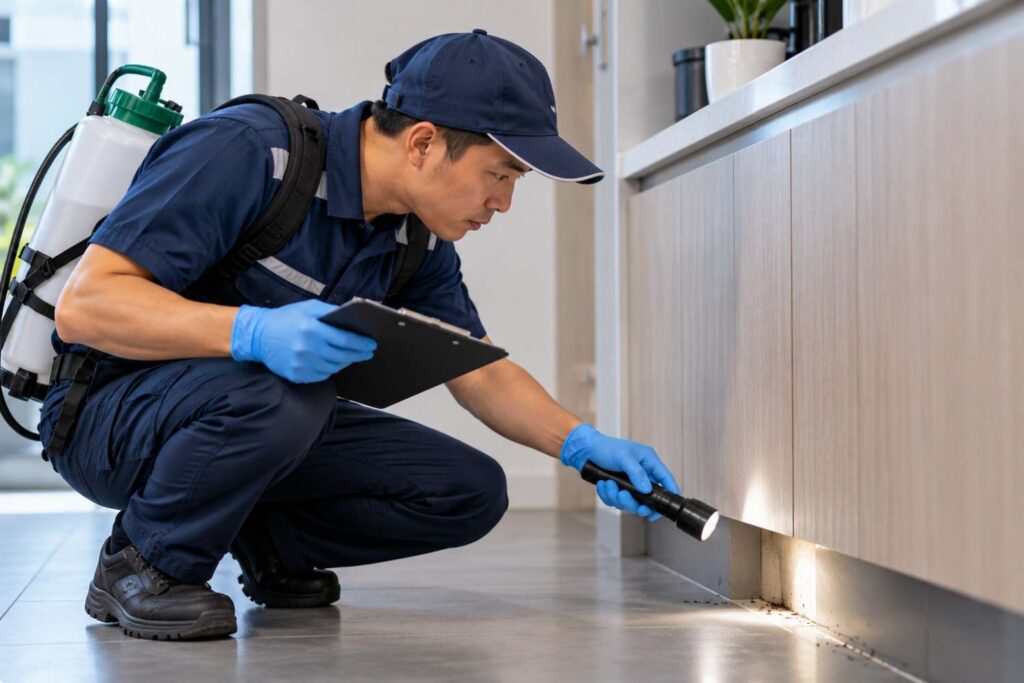
The first step is finding out what you’re dealing with. That means inspecting the affected areas, looking for signs of pest activity and checking how the pests might be getting inside. Only then can the operator recommend a suitable treatment.
Inspect the Property to Identify the Pest and Its Source
Droppings, damaged wood, insects around food storage and gaps near pipes can all point to pest activity. The signs vary, of course, and some infestations are harder to spot than others.
Take rats as an example. Finding droppings near a bin may suggest where they’re feeding, but the operator still needs to check how they’re entering. Termite evidence can also be in the form of mud tunnels or chewing. The pest control expert should tell you what they find and what areas they need to treat.
Explain the Treatment, Price and Safety Precautions
By asking these two basic questions, you will know what the treatment involves, and at what price. Check whether the price covers the full job or just the first visit.
The operator should also tell you how to prepare. Food may need to be put away, certain areas cleared, or pets kept out of the room during treatment. Don’t leave these details until the last minute.
How Should Pest Control Operators Handle Common Pests in Singapore?
Termites, rats, cockroaches, mosquitoes and bed bugs don’t respond to the same treatment. Each has different habits and hiding places. A solution that works for one may do little for another.
Termites: Find the Damage Before Choosing Treatment
To kill termites in Singapore, the operator needs to inspect the affected timber and check how far the infestation may have spread. Door frames, wooden flooring and built-in cabinets are worth examining.
Mud tubes and damaged wood can be warning signs. Sometimes, the damage isn’t obvious from the outside. Depending on the inspection, treatment may involve baiting or applying a suitable product to affected areas.
Ask how the treatment will address the infestation beyond the visible damage. Replacing a damaged piece of wood won’t necessarily deal with the termites causing it.
Rats and Cockroaches: Check Where They Enter and Hide
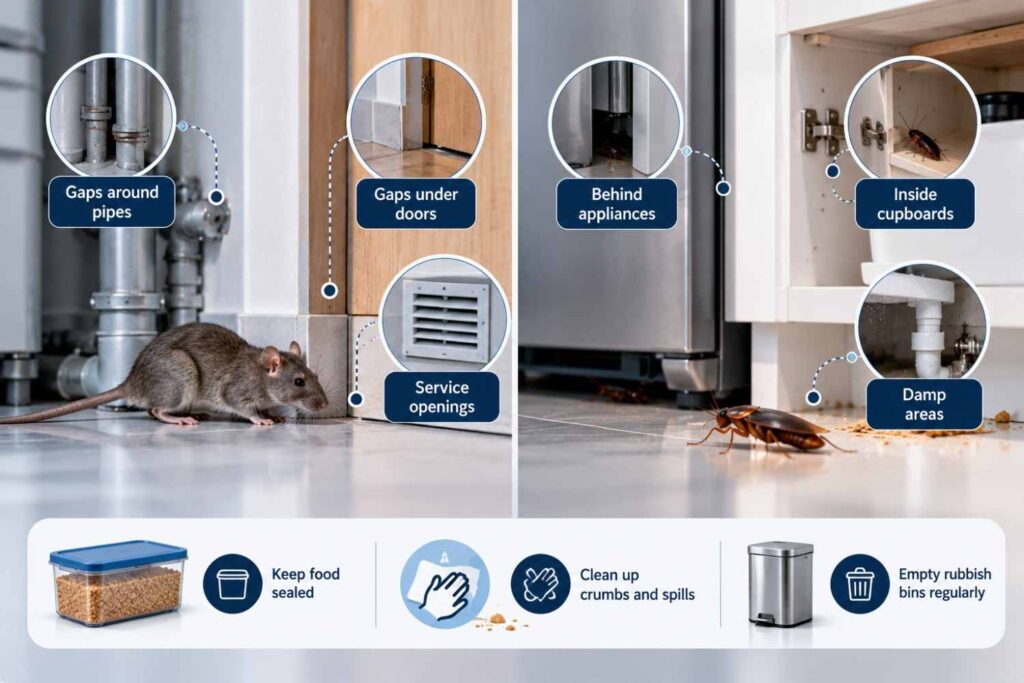
Singapore rat control should start by finding how rodents get into the property. Small gaps around pipes, doors and service openings can provide access. Depending on the situation, an operator may use traps or baiting and recommend sealing these openings.
Cockroaches are a different problem. They often hide behind appliances, inside cupboards and around damp areas. Cockroach control treatment should target those locations rather than just the insects spotted crawling across the kitchen floor.
There are things you can do yourself, too. Keep food sealed, clean up crumbs and spills, and empty rubbish bins regularly. These steps help remove food sources, though they won’t always clear an established infestation.
Mosquitoes and Bed Bugs: Look Beyond the Visible Pests
Mosquitoes need standing water to breed. Check plant saucers, containers and other places where water collects, particularly after rain. Removing that water helps prevent new mosquitoes from developing.
Bed bugs are less straightforward. They hide in mattress seams, bed frames, headboards and cracks around sleeping areas. Ask the operator which spots need treatment and whether bedding or furniture must be prepared beforehand.
What Safety and Follow-Up Should You Expect From Pest Control?
Before treatment begins, you should know what needs to be moved, whether anyone must leave the area and when it’s safe to return. These instructions depend on the treatment being used.
Follow the Safety Instructions
Ask which product or method will be used and what precautions apply. You may need to remove food, cover certain belongings or keep children and pets away from treated areas.
Follow the instructions on ventilation, cleaning and re-entry. If you’re unsure whether a room is safe to use, ask the operator rather than guessing.
Check Whether Another Visit Is Needed
One visit may be enough for some problems. Others need repeat treatment or monitoring. Ask how the operator will check the results and what signs of continuing activity you should look for.
A pest control operator should also explain whether follow-up visits are included in the price. If they’re charged separately, find out how much they cost. Keep the service report, especially if the problem returns.
How Do You Choose the Right Pest Control Service in Singapore?
First off, don’t just focus on price. Take a closer look at what’s actually included in the quote, especially if you’re dealing with a specific pest. Ask if the company’s handled cases like yours before, and find out what they’ll do if that first treatment doesn’t get rid of the problem.
Check Credentials
Check their credentials, too. Make sure they’re properly licensed or registered, and ask about their experience with the pests in your place. They should be able to walk you through their plan without promising magic fixes.
If you need rat control in Singapore, make sure their service isn’t just about setting traps. Ask if they’ll inspect your property for entry points and give you advice to keep the rodents from coming back. After all, traps are useless if rats keep sneaking inside. You want someone who helps you tackle the root cause, not just the symptoms.
Compare Quotes and Treatment Coverage
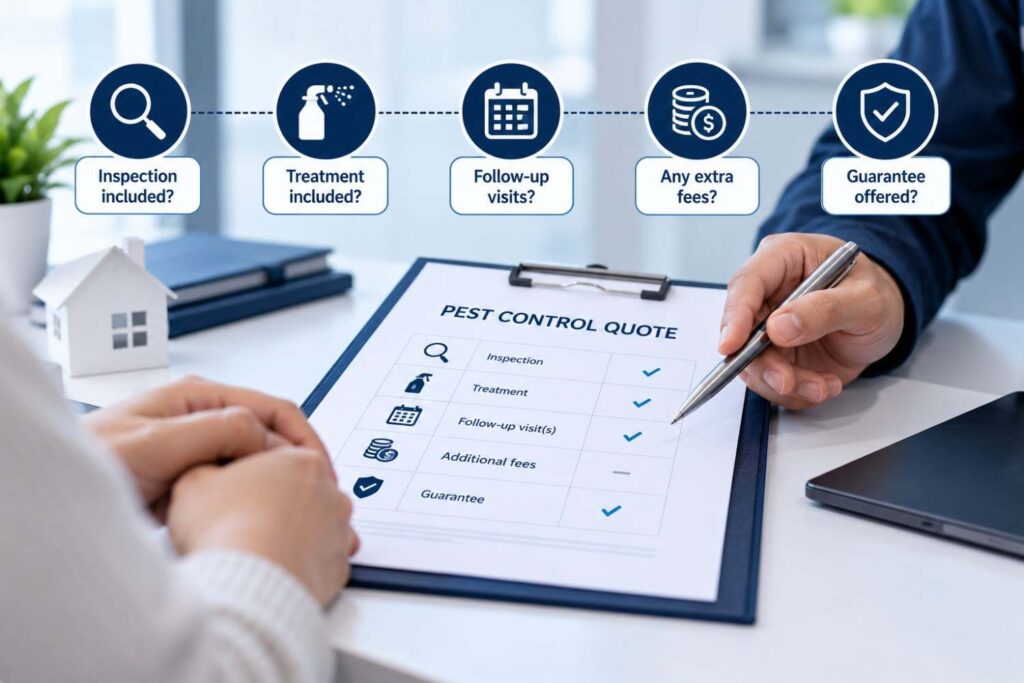
Get the details in writing. Ask if the quote includes inspection, treatment, and follow-up. Don’t forget to check if there are any extra fees or if they offer any guarantees.
When you’re comparing cockroach control services, find out if the price is just for a single visit or if they’ll come back for a follow-up if the problem isn’t solved. That detail really changes what you end up paying.
| What to check | What to confirm |
|---|---|
| Inspection | Is it included in the price? |
| Treatment | Which pests and areas are covered? |
| Safety | Are preparation instructions provided? |
| Follow-up | Are return visits included? |
| Guarantee | What conditions apply? |
Use This Checklist Before Booking
Before confirming the appointment, make sure you have the basics covered:
- The pest and affected areas have been identified.
- You have a written quote.
- The treatment method has been explained.
- You understand the safety instructions.
- Follow-up charges and guarantee terms are clear.
- You know what to change to reduce the chance of another infestation.
A pest control service should make the treatment, price and next steps clear. If the quote leaves you guessing about what’s included, ask for a breakdown before agreeing to the work.
Choose the Right Pest Control Solution for Your Property
Got termites chewing through your place in Singapore? Or maybe those stubborn cockroaches just won’t quit? The trick is to choose a treatment that actually targets what’s lurking around—based on a proper inspection. If you’re shopping around for pest control, iPest is one company worth checking out.